
Research peptides are an important class of biomolecules studied and researched across molecular biology, biochemistry, cellular signaling, mitochondrial research, and other scientific disciplines. Their relatively short amino acid sequences, defined molecular structures, and diverse biological interactions make them valuable materials for controlled laboratory investigations.
From understanding how cells communicate to examining receptor interactions and protein-related pathways, peptide research helps scientists and researchers to investigate complex biological mechanisms at a molecular level. Advances in peptide synthesis and analytical chemistry have also made it possible to produce specific amino acid sequences for reproducible experimental studies.
However, understanding research peptides includes more than knowing their names or intended research categories. Researchers and scientists must consider peptide structure, amino acid composition, synthesis methods, purity, molecular identity, analytical testing, and supporting verified documentation.
This guide will help you understand what research peptides are, how they are structured, the differences between natural and synthetic peptides, the major types studied in laboratories, and the importance of quality verification when choosing research materials.
What Are Research Peptides?
Research peptides are short chains of amino acids that are supplied or prepared for scientific research and investigation under controlled and specialized laboratory conditions. They are studied to understand molecular interactions, cellular signaling, receptor activity, protein behavior, and other biological processes.
Amino acids are the fundamental building blocks of peptides. When two or more amino acids connect through chemical bonds called peptide bonds, they make a peptide chain. Unlike a complete protein, which may contain hundreds or thousands of amino acid residues arranged into complex structures, many peptides consist of relatively short sequences. Their specific sequence and chemical properties influence how they interact with other molecules in an experimental system.
What Are Research Peptides Used for in Laboratory Research?
Researchers investigate peptides across various scientific areas; these include:
- Molecular biology: Examining interactions between peptides, proteins, receptors, and other cellular components.
- Cellular signaling: Investigating how specific molecular signals influence communication between cells.
- Mitochondrial research: Studying peptide-associated mechanisms involving mitochondrial structure, function, and cellular energy regulation.
- Protein interaction studies: Examining binding characteristics and relationships between amino acid sequences and target molecules.
- Biochemical research: Analyzing peptide composition, chemical stability, molecular properties, and degradation.
- Analytical chemistry: Developing and evaluating methods for identifying, separating, and characterizing peptide compounds.
The scientific value of a research peptide depends on its molecular identity, experimental context, and the specific question being investigated.
For this reason, laboratory research peptides should be evaluated and examined as defined chemical materials rather than grouped together as interchangeable compounds.
Understanding Peptide Structure and Amino Acids
To understand how peptides behave in laboratory research, it is important to understand their molecular structure.
How Are Peptides Structured?
A peptide consists of amino acid residues connected through peptide bonds. Each amino acid contains an amino group, a carboxyl group, and a variable side chain attached to a central carbon atom. At the time of peptide bond formation, the carboxyl group of one amino acid reacts with the amino group of another. It then releases a water molecule and creates an amide linkage.
The Four Crucial Levels of Peptide and Protein Structure
Peptide structure can be understood through several levels of molecular organization:
| Structural Level | Description |
|---|---|
| Primary structure | The exact sequence and arrangement of amino acids |
| Secondary structure | Local arrangements such as alpha-helices and beta-sheets |
| Tertiary structure | The overall three-dimensional folding of a single chain |
| Quaternary structure | The organization of multiple molecular chains into a larger structure or complex |
Why Does Amino Acid Sequence Matter?
The amino acid sequence determines several important molecular characteristics, including:
- Molecular weight and elemental composition
- Electrical charge and overall polarity
- Hydrophobic and hydrophilic properties
- Potential interactions with proteins and receptors
- Structural flexibility and conformational preferences
- Susceptibility to chemical or enzymatic degradation
Even a single amino acid substitution can alter a peptide’s molecular mass, charge, structure, or interaction profile.
Therefore, researchers need to confirm that a peptide’s measured characteristics correspond to its intended sequence before interpreting experimental results. For additional background, the National Library of Medicine’s peptide definition provides a useful scientific overview of amino acid chains and peptide classification.
How Are Synthetic Peptides Different From Natural Peptides?
Peptides can originate from biological systems or be produced by using controlled chemical synthesis. Understanding this difference is necessary when selecting materials for laboratory experiments.
Natural Peptides
These peptides are produced by living organisms through several biological processes. They can originate from larger precursor proteins, cellular translation, or enzymatic processing. Examples include naturally occurring signaling peptides and short peptide fragments generated during protein breakdown.
Their characteristics depend on biological origin, cellular processing, amino acid composition, and any chemical modifications occurring within the organism.
Synthetic Peptides
Synthetic peptides are produced through chemical synthesis rather than being isolated directly from a biological source.
One widely used production method is solid-phase peptide synthesis (SPPS). In this process, amino acids are added sequentially to a growing peptide chain attached to an insoluble support.
The general process includes:
- Attaching the initial amino acid to a solid support.
- Removing temporary protecting groups to expose the reactive amino group.
- Coupling the next protected amino acid to the growing chain.
- Repeating the coupling and deprotection cycles until the intended sequence is assembled.
- Cleaving the completed peptide from the support and removing protecting groups.
- Purifying and characterizing the resulting material.
Depending on the target molecule, additional processing may be necessary in order to introduce specific modifications or obtain the desired molecular configuration.
Synthetic production provides researchers the ability to obtain specific sequences and investigate how individual structural changes influence molecular behavior.
However, chemical synthesis does not automatically guarantee high quality. Incomplete coupling, side reactions, deletion sequences, and residual processing materials can affect the end product.
Consequently, analytical characterization is an essential part of evaluating synthetic research peptides.
Common Types of Peptides Studied in Laboratory Research
There are various ways to classify peptides, including their amino acid length, structural characteristics, molecular origin, and research context.
For practical reasons, research compounds are often organized according to the molecular pathways or biological systems being investigated.
The following examples show different areas of peptide research represented in Pristine Peptide’s product categories.
1. Regeneration and Cellular Repair Research
Examples include:
- BPC-157: A synthetic pentadecapeptide studied in experimental models involving cellular signaling, angiogenic pathways, and tissue-related research. Explore BPC-157 research materials.
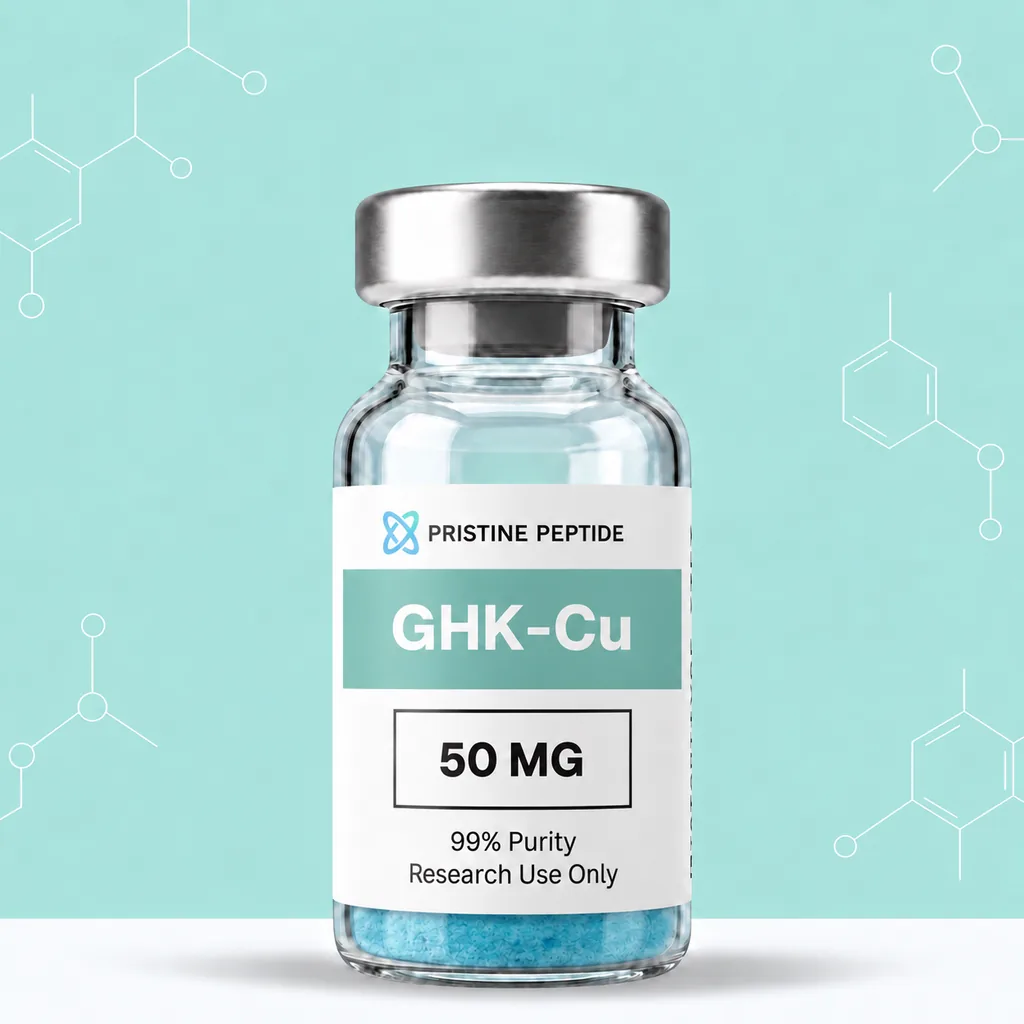
- GHK-Cu: A copper-binding tripeptide complex investigated in studies involving extracellular matrix biology, collagen-related pathways, and cellular processes. View GHK-Cu.
- TB-500: A research peptide associated with thymosin beta-4-related sequence research, with laboratory investigations examining actin-associated processes and cell migration. Explore TB-500.
These compounds have different molecular structures and should not be treated as chemically equivalent. Their inclusion in the same broad research category reflects the general areas of investigation rather than identical mechanisms or experimental properties.
2. Longevity and Mitochondrial Research
Examples include:
- MOTS-c: A mitochondria-derived peptide investigated in research involving metabolic signaling, mitochondrial communication, and cellular energy regulation. See MOTS-c.
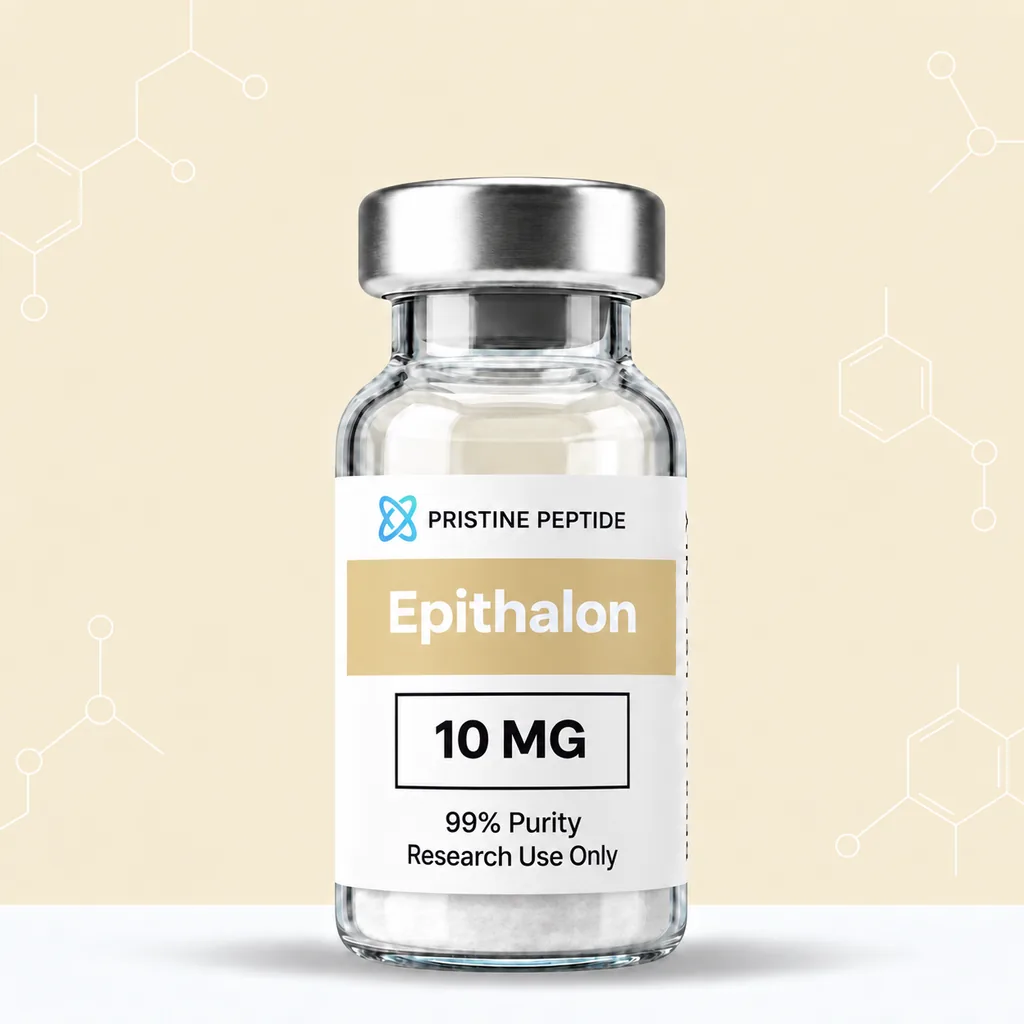
- Epithalon: A synthetic tetrapeptide studied in experimental research concerning cellular aging, circadian biology, and telomere-associated mechanisms. See Epithalon.
- SS-31: A mitochondria-targeted tetrapeptide investigated in research involving mitochondrial membrane interactions, oxidative-stress models, and cellular energy processes. See SS-31.
These examples show how differences in peptide sequence and molecular characteristics can provide opportunities to investigate different cellular systems.
3. GHRH and GHRP Research
Examples include:
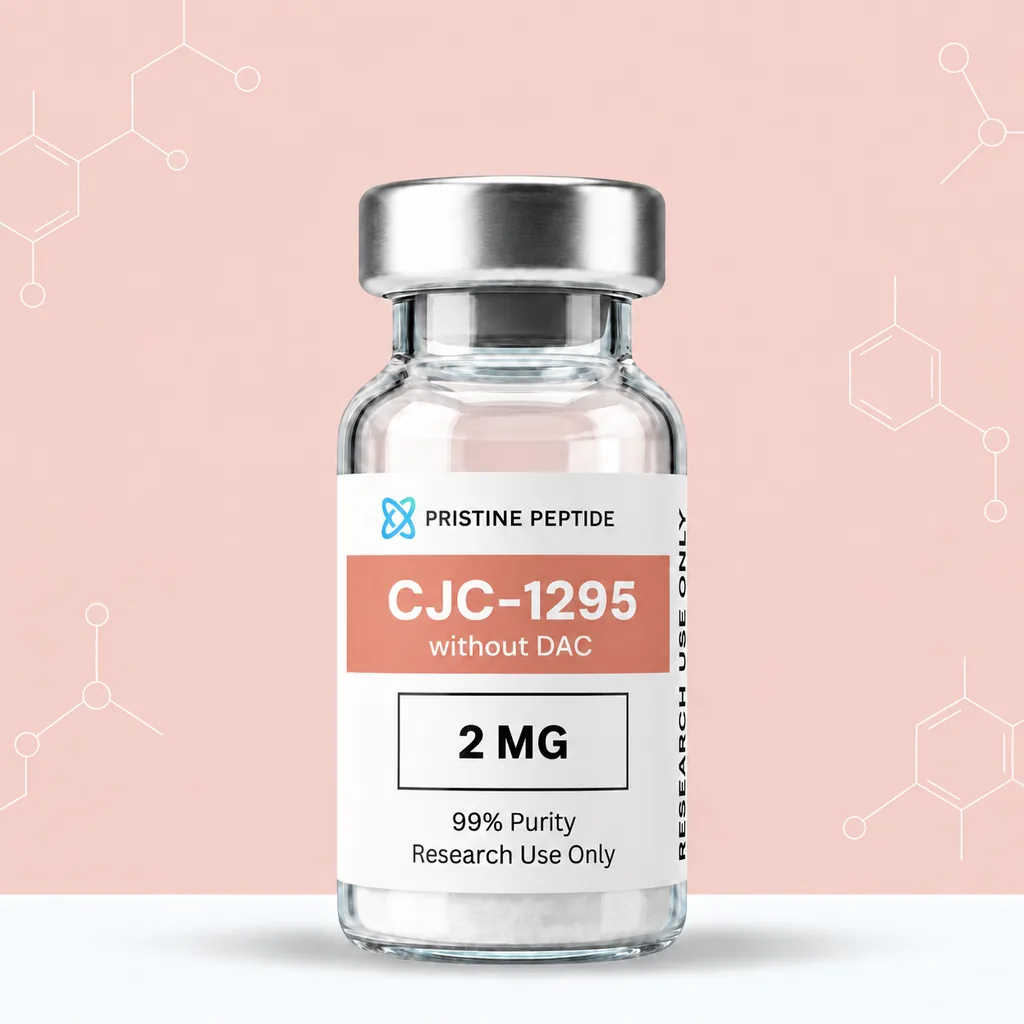
- CJC-1295: A modified GHRH-related peptide studied in growth-hormone signaling and receptor-related laboratory models. Explore CJC-1295.
- Ipamorelin: A synthetic pentapeptide investigated in research involving ghrelin-receptor activity and receptor-selective signaling. Explore Ipamorelin.
- Sermorelin: A synthetic peptide corresponding to the N-terminal portion of human GHRH, studied in GHRH receptor and endocrine signaling research. Explore Sermorelin.
For further exploration, Pristine Peptide also organizes its research materials into Regeneration Research, Longevity Research, and GHRH/GHRP Research categories.
Understanding High-Purity Research Peptides
High-purity research peptides have a high proportion of the intended peptide relative to other detectable components under a specified analytical method.
Purity is an important consideration because unwanted chemical components can introduce variability into laboratory experiments.
What Determines the Purity of a Peptide?
Several factors influence the purity of a synthetic peptide:
- Synthesis efficiency
- Purification methods
- Chemical stability
- Residual processing materials
- Batch consistency
What Does a 99% Purity Result Actually Mean?
A reported purity result of 99% usually refers to the relative proportion of the principal chromatographic peak under the conditions of a particular analytical method.
The result also depends on the analytical method, detector response, sample preparation, and separation conditions. Researchers should therefore review the actual batch-specific Certificate of Analysis, including the method used and the reported result, rather than relying exclusively on a general purity statement.
How Are Peptides Evaluated Through Laboratory Testing?
Analytical testing helps in establishing whether a peptide corresponds to its intended molecular structure and whether the material meets defined quality criteria.
Different analytical methods measure different properties. No single test provides a complete picture of peptide quality.
High-Performance Liquid Chromatography (HPLC): It is widely used to separate peptide compounds based on their chemical interactions with a stationary phase and mobile phase.
Mass Spectrometry (MS): Mass spectrometry measures the mass-to-charge ratios of ions to help characterize molecular compounds.
Fourier Transform Infrared Spectroscopy (FTIR): FTIR measures how a sample absorbs infrared radiation at different frequencies. The resulting spectrum provides information about molecular vibrations and chemical functional groups.
Additional Analytical Techniques
Depending on the research requirements, other methods may include:
- Amino acid analysis (AAA): Helps determine amino acid composition and can support peptide content assessment.
- Nuclear magnetic resonance (NMR): Provides detailed information about molecular structure and chemical environments.
- Size-exclusion chromatography (SEC): Helps evaluate molecular-size distributions and aggregation.
- Stability testing: Examines changes in peptide characteristics under defined storage or environmental conditions.
Understanding Research-Use-Only Materials (RUO)
Research use only is a designation indicating a material is intended for scientific research rather than an approved clinical diagnostic or therapeutic application.
The accurate regulatory meaning depends on the type of product and the applicable jurisdiction.
For research peptide suppliers, the RUO designation is also an important statement of intended use.
What Does RUO Mean for Laboratory Research?
Research-use-only materials are intended for controlled scientific investigations and should also be evaluated within the scope of the relevant laboratory research.
Important considerations include:
- Reviewing the product’s stated research-only classification
- Confirming the molecular identity and relevant analytical characteristics
- Checking the applicable batch-specific documentation
- Following appropriate laboratory quality and handling procedures
- Maintaining accurate records of experimental materials and analytical results
Why Scientific Documentation and Testing Matter
Scientific documentation is essential, as the name printed on a research material does not independently establish its molecular identity, purity, or consistency.
A well-documented research material gives laboratories information that can support material evaluation, experimental planning, and reproducibility.
What Should a Peptide Certificate of Analysis Include?
A useful Certificate of Analysis should provide relevant information about the specific batch being evaluated.
Depending on the product and analytical method used, this may include:
| COA Element | Why It Matters |
|---|---|
| Product identification | Establishes which material was analyzed |
| Batch or lot number | Connects results to a specific production batch |
| HPLC results | Provides chromatographic purity information |
| Mass or identity results | Supports confirmation of molecular identity |
| Analytical method | Explains how the reported result was obtained |
| Testing laboratory | Identifies the organization performing the analysis |
| Test date | Establishes when the analysis was conducted |
| Acceptance criteria | Shows the specifications against which results are evaluated |
Not every COA includes every analytical parameter. Researchers should distinguish between tests actually performed and tests that would be desirable for a particular experiment.
Frequently Asked Questions
What are research peptides?
Research peptides are short chains of amino acids supplied or prepared for scientific investigation. They are studied in controlled laboratory environments to examine molecular structure, cellular signaling, receptor interactions, and other biochemical processes.
How are peptides structured?
Peptides consist of amino acid residues connected through peptide bonds. Their primary structure is determined by the amino acid sequence, while some peptides also exhibit organized secondary or higher-order structures.
What are the most common types of peptides?
Peptides can be classified by amino acid length, molecular structure, biological origin, and research context. Common laboratory research categories include signaling peptides, mitochondrial research peptides, synthetic peptide fragments, and receptor-interaction research compounds.
How are research peptides tested?
Common analytical techniques include HPLC for chromatographic purity, mass spectrometry for molecular mass and identity assessment, FTIR for chemical characterization, and NMR for structural analysis. The appropriate combination depends on the peptide and research requirements.
What does Research Use Only mean?
Research Use Only indicates that a material is intended for scientific laboratory investigation rather than clinical diagnostic or therapeutic use. The applicable regulatory interpretation depends on the product type and jurisdiction.
Is HPLC purity the same as total peptide content?
No. HPLC area percentage measures the relative chromatographic response of separated components under a particular method. Total peptide content is a different measurement and may require additional analytical techniques.
Conclusion
Research peptides provide valuable materials for investigating molecular structure, amino acid interactions, cellular signaling, and biochemical pathways. Understanding their composition, synthesis methods, structural properties, and analytical evaluation is essential for meaningful laboratory research.
When selecting high-purity research peptides, researchers should look beyond product descriptions and consider molecular identity, appropriate purity analysis, batch consistency, and supporting documentation.
Synthetic production offers control over peptide sequences, while complementary analytical methods such as HPLC, mass spectrometry, and FTIR help characterize the resulting materials.
For laboratories seeking research-use-only materials, Pristine Peptide provides a range of compounds across regeneration, longevity, and GHRH/GHRP research categories, with batch-specific documentation available for review.
Ultimately, reliable peptide research begins with understanding the molecule, evaluating the analytical evidence, and maintaining appropriate scientific standards throughout the research process.
Explore Research Peptides at Pristine Peptide
Looking for research-use-only peptide materials for your laboratory investigations? Explore Pristine Peptide’s research collection, featuring compounds across regeneration, longevity, and GHRH/GHRP research categories. Review available product information and batch-specific testing documentation to make informed research material selections.
Explore the Pristine Peptide Collection.
Scientific References and Further Reading
- National Library of Medicine – Peptides, Medical Subject Headings (MeSH)
- Recommendations for the Generation, Quantification, Storage and Handling of Peptides Used for Mass Spectrometry-Based Assays – Journal of Proteome Research
- Reference Standards to Support Quality of Synthetic Peptide Therapeutics – Pharmaceutical Research
- Regulatory Guidelines for the Analysis of Therapeutic Peptides and Proteins – Journal of Peptide Science
- Regulatory and Analytical Considerations for the Quality Assessment of Peptide Drugs – 2026 Review
Research disclaimer: All Pristine Peptide materials discussed in this article are intended strictly for in-vitro laboratory research. They are not intended for human or veterinary consumption, diagnostic procedures, or therapeutic applications.
All products sold by Pristine Peptide are for laboratory research use only and are not for human or veterinary use. Nothing in this article is medical advice or a protocol.